My Lady Chanworths receipt for Jumballs


CookingArchives-4184

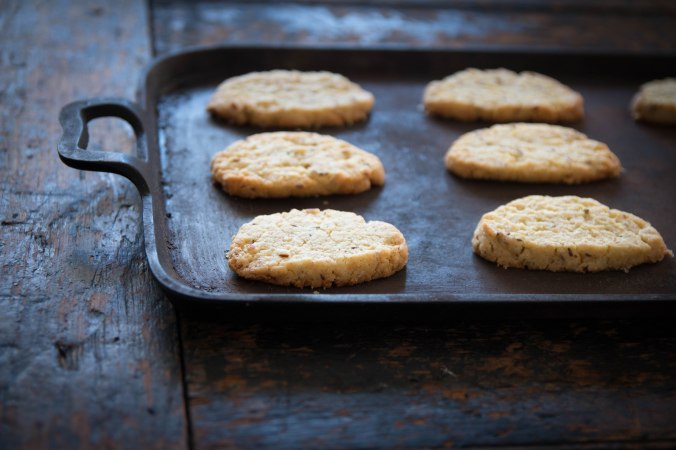
Photo by Carley Storm Photography http://www.carleystormphotography.com

It’s high time that we talk about jumballs. We were initially mystified by the moniker, but jumballs are a classic early modern treat: A rich, satisfying, highly-spiced, shortbread cookie. They are the single most delicious thing we’ve cooked from the archives to date.

Even a quick search to define the term revealed the jumball’s long-term popularity, from Gervase Markam’s classic English Housewife (1649) to the iconic Mrs Beeton’s Book of Household Management (1888), with examples on many other historical cookery sites like this one. The Oxford English Dictionary generalizes among the range of different spices and methods in these various recipes to define early modern jumballs as a “kind of fine sweet cake or biscuit, formerly often made up in the form of rings or rolls.”

In LJS 165 there are two recipes for jumballs back to back: “To Make Jumballs / My Mother Anges receipt” and “My Lady Chanworths receipt for Jumballs.” We thought that the first recipe’s mention of the compiler’s mother (or another source’s mother) was a poignant look into the perennial practice of handing down knowledge from mother to child, most likely mother to daughter. But the final instruction in that first recipe — soaking the baked jumballs in vinegar overnight — was not especially appealing, although it is very likely an excellent method for preserving the biscuits.  Besides, who among us can take delicious cookies out of the oven and not eat them immediately? We decided to prepare the second recipe instead: “My Lady Chanworths receipt for Jumballs.” (If any readers try the alternate recipe, we’d love to hear how it turns out.)

The Recipe

jumballs

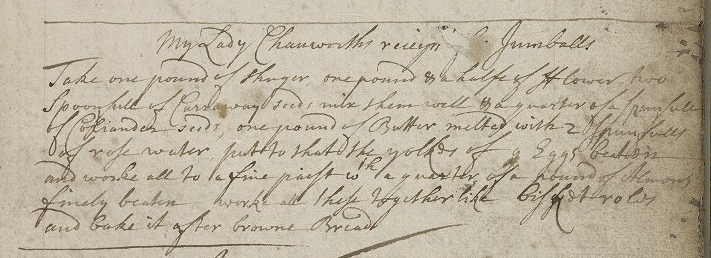
My Lady Chanworths receip[t  for] Jumballs

Take one pound of shuger, one pound & a halfe of fflower, two
spoonfull of Carraway seeds, mix them well & a quarter of a sponfull
of Coriander seeds one pound of Butter melted with 2 spunfulls
of rose water, put to that the yolkes of 4 Eggs beaten
and worke all to a fine paist with a quarter of a pound of Almons
finely beaten worke all these together like bisket roles
and bake it after browne Bread

Like other sweet and savory recipes from the period, this recipe uses fragrant whole caraway and coriander seeds enlivened by aromatic rose water, the richness of egg yolks and butter, and the deep nuttiness of ground almonds. Other than halving the quantities in the recipe (which still made a lot of cookies) we’ve made no changes to the dough mix and simply reformatted the instructions into a modern style below.

Now, there are a wide variety of ways to shape jumball dough before baking. Recipes call for twisting, rolling, slicing, and folding. Given the texture of the jumball dough in a very hot kitchen (summer in Philadelphia) we decided to follow a classic shortbread method and to roll our dough into a long log, slice cookies 1/4 inch thick, and bake them. (If you try this recipe and shape them differently, send us a photo!)

Our Recipe

*Halved from the original. We also used a baking scale for this one, but we’ve included approximate volume measurements.

1/2 lb sugar (1c)
3/4 lb flour (2 3/4 c)
1 t caraway seeds
1/2 t coriander seeds
1/2 lb butter, melted (2 sticks or 16 T)
1 t rosewater
2 egg yolks, beaten
1/8 lb ground almonds (generous 1/2 c)

Preheat oven to 350F.

Mix flour, sugar, and spices in the bowl of a stand mixer (or a large bowl if mixing by hand). Add melted butter, rosewater, egg yolks, and ground almonds and mix until a uniform dough forms.

Place dough on a lightly floured surface and shape into cookies. We did this by rolling the dough into a log and slicing 1/4 inch cookies, but there are many other ways to shape this kind of dough.

Bake 20 minutes or until brown around the edges. Cool on a rack before devouring, if you have the willpower.

Results

They don’t look like much when you lift them onto the cooling rack (does shortbread ever look impressive?). But the aroma of spice and sweet gives it all away.

Jumballs are truly delicious. Their balance of nut and spice, fragrance and buttery texture is divine. They’d hold their own in a spread of cookies. We’ve since learned that they pair well with Italian Cheese, but we suspected from the beginning that they would complement vanilla ice cream, custard, fresh fruit, or a simple cup of tea.

When we shared these with unsuspecting friends they were bowled-over by the surprising and delightful presence of coriander. And their first guess was that we’d found the recipe on one of the latest trendy food blogs, not through this archival project. We’ll be making these again.


Chery brandy

There are many recipes for making alcohol in Penn’s manuscript recipe books. But most would require the average home cook to purchase complex equipment and invest quite a lot of time, energy (and, dare I say, courage?) in their execution. From recipes for “braggart liquor” (spiced beer), “sperit of rasberrys” (raspberry wine), and “Meade to make according to Queen Elizabeth receipt” (the “Queen’s” mead) in Penn’s manuscripts, to the infamous recipe for “cock ale” held in the Folger Shakespeare Library collections, working with spirits can challenge even the most adventurous cooks. (And we’re the cooks who made  fish custard!) There are some approachable beverage recipes in the archive. Our recipe for could possett was one, “Chery brandy” from Ms. Codex 1601 is another.

The Recipe

cherry brandy

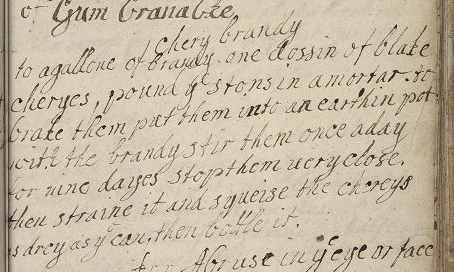
Chery brandy

to a gallone of Brandy one dossin of blake
cheryes, pound the stons in a mortar to
brake them put them into an earthin pot
with the brandy stir them once a day
for nine dayes stop them uery close.
then straine it and squeise the chereys
[a]s drey as you can, then bottle it.

This is a very simple recipe. Cherries mingle with alcohol and magic happens. Other than reducing the volume a bit, we only made one major change: We didn’t break the cherry pits or add them to the liquor. Cherry pits carry low-levels of toxins, like cyanide. We may be fearless in the kitchen, but we see no need to experiment with known poisons, whatever flavor they may impart to a beverage.

Our Recipe

2 c brandy

6 cherries (washed, pits removed, and halved)

Put brandy and cherries in a well-sealed glass container. Place in a dark, cool area and stir daily for nine days.

The results

Over the nine days the cherries infused the brandy, the color of the concoction slowly, incrementally deepened to a rich red. Chery brandy is beautiful to look at in the bottle and in the glass.

Straight up, chery brandy is a bracing beverage. Like any brandy, it is a warming drink with strong flavors. The cherries added a pleasing, rich sweetness. After the initial sipping, we added an ice cube, bitters, and lemon peel to create a mellower drink, a sort of “chery brandy old fashioned.” We think this would be a great way to savor a hint of summer cherry deliciousness on a cold winter night. But it’s high summer, so we took it one step further and added some ginger ale to the mix. This final result created a lovely refreshing cocktail.

To make a “Chery brandy old fashioned”

2 oz cherry brandy
ice (one giant cube or 2 small cubes)
slice of lemon peel
dash bitters

Put ice in a rocks glass. Add brandy. Season with bitters. Garnish with lemon peel.

To make a “Chery brandy fizz”

2 oz cherry brandy
6 oz ginger ale (preferably high-quality, sweetened with cane sugar)
Lemon slice
ice

Fill a tall glass with ice. Add brandy and ginger ale. Garnish with lemon.

With late-summer stone fruits flooding the farmer’s markets, we’re curious to see how this recipe would work with apricots, plums, and peaches. Other base alcohols could add unique flavors to the mix (plum vodka? peach rum?). Melissa Clark proposed a related method for preserving summer fruits in alcohol in the New York Times  a few years ago. But, as you now know, mixing fruit and alcohol is a very old idea.


Collar Beef

Although so far our adventures in archival cooking have been mostly meatless, the recipe books in Penn’s collections contain many interesting preparations for meat, poultry, and fish. From a recipe to “Stew a Hare” to instructions for how to make “English Bacon” and “Pickle Pigeons,” these recipe books reveal a no-waste, “nose to tail” approach. Most either use the whole animal in a single preparation or preserve meat for future consumption. However, many of these recipes do not lend themselves to modern, apartment cooking (especially during the Philadelphia summer). Alyssa and I were thrilled to find this relatively simple recipe for “Collar Beef,” or braised flank steak seasoned with fresh herbs, in Ms. Codex 252. Collar Beef is a flavorful and relatively inexpensive recipe for red meat.

collar beef

The Recipe

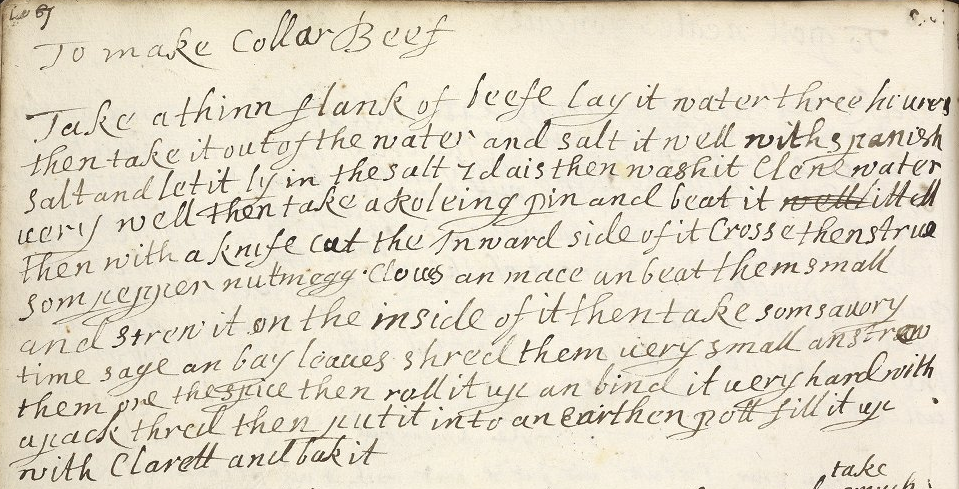
To make Collar Beef
Take a thinn flank of beefe lay it water three houres
then take it out of the water and salt it well with spanish
salt and let it ly in the salt 1 dais then wash it clene water
uery well then take a Roleing pin and beat it well littell
then with a knife cut the inward side of it crosse then strue
som pepper nutmegg cloues an mace an beat them small
and strew it on the inside of it then take som sauory
time sage an bay leaues shred them uery small an strew
them ore the spice then roll it up an bind it uery hard with
a pack thred then put it into an Earthen pott fill it up
with Clarett and bak it

The flank steak is prepared with salt, dressed with a mix of savory herbs, rolled and trussed with string, and braised in red wine. “Clarett” was (and still is) a common name for red Bordeaux wines in seventeenth- and eighteenth-century England. We used an inexpensive Bordeaux blend. Instead of soaking our steak for three hours and then salting it for a full day, we salted ours for a few hours before we began cooking. At the advice of our butcher, we also did not pound the steak with a rolling pin; instead, he butterflied the cut for us. We couldn’t find the herb “sauory” in our local markets, but we both thought it would be a nice addition to the spice mix to try it if you have it on hand! We also decided to add dry bay leaves to the wine instead of including fresh bay leaves in the roll as they are not always kind to the stomach.

Our Recipe

* Adjust seasoning based on quantity of meat and taste.

1 lb flank steak, boned and butterflied

butcher’s string

2 T fresh thyme, chopped

3 T fresh sage, chopped

1 t ground pepper

1/4 t ground mace

1/4 t ground nutmeg

1/4 t cloves

2 bay leaves

2 cups red wine

salt

A few hours before cooking, lightly salt the flank steak and allow it to rest at room temperature. Wash off any remaining salt and pat the meat dry before proceeding with the recipe.

Preheat oven to 350 F.

Open the butterflied steak and rub the inside with the dry herbs. Close the steak, then spread the layer of fresh herbs on top. Roll the flank steak (we rolled width-wise, to create a shorter and fatter roll than rolling length-wise) so the herbs are encased inside. Tie the steak in 2-3 places with string.

Place the prepared steak in a dutch oven with a lid. Pour in the wine and add the bay leaves. Cook in the oven for 20-25 minutes (or until the steak is cooked to your liking.)

Slice into rounds to serve.


The Result

“Collar Beef” was intensely flavored with wine and herbs. The method of salting and braising the tenderized the notoriously tough flank steak. We found that the central slices were the most balanced. Next time, we might add some chopped garlic and parsley to the herb mix.

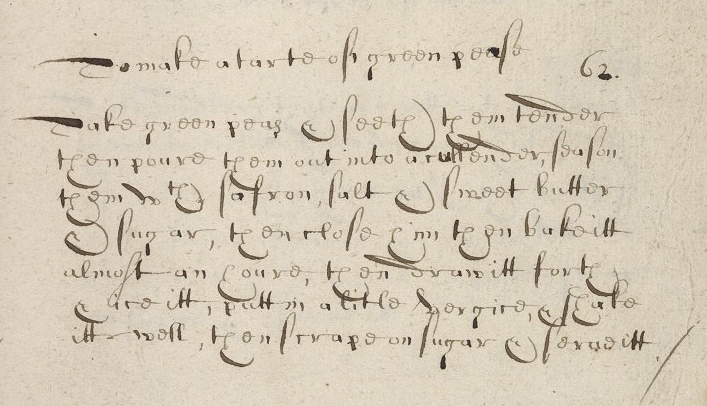
Pease Pods of Puff Paste (or small fruit pies in disguise)

Even in cooking, appearances can be deceiving. Following a long tradition of performative food preparation from the ancient world through Tudor banqueting, early modern cooks sometime playfully disguised food as other food. We tried a recipe for “Pease Pods of Puff Paste” from Ms Codex 631 – a recipe that in fact contains no peas at all! These sweet little pea-pod-shaped, hand-formed fruit pies were easy to make and very tasty.

pease pods

The Recipe

Pease Pods of Puff Paste

Take some puff paste & role it out thin & lay in some cherries or any other preserv
-ed fruit in the fashion of pease & fashion your crust like pease pods & cut them with
a rowell & fry them with fresh butter then strew sugar on them & serve them up

This is a very simple recipe enlivened by creative presentation. Puff pastry and fresh or preserved fruit are combined to mimic peas nestled in their protective pods. We used fresh cherries from our local farmers’ market because we thought that they would create the distinctive pea-bumps the recipe strives to recreate. A “rowell” is a wheel or disc that would have been used to cut the pastry; to streamline the process and in an (ultimately somewhat futile) effort to prevent messy overflow, we cut the pastry into smaller squares and rolled each one around a line-up of cherries. Finally, instead of frying our pastry pods in butter, we baked them in a low oven for even cooking.


Our Recipe

These instructions are for 6 “Pease Pods.” Adjust fruit and pastry amounts as needed.

1 sheet puff pastry (store-bought or homemade)
18 cherries (or a similar amount of other fresh or preserved berries)
flour (for rolling out pastry)
sugar (for sprinkling)

In advance, defrost store-bought puff pastry or prepare homemade puff pastry. (We used store-bought, but for homemade Marissa prefers Yotam Ottolenghi’s “Rough Puff Pastry,” duplicated here.)

When you’re ready to bake, preheat your oven to 350F and prepare a baking sheet by lining it with parchment paper or greasing it with butter.

Wash and pit the cherries. Roll out the puff pastry until it’s thin but still workable. Divide sheet into 6  rectangles with a knife. Place three cherries in a line down the center of each piece and wrap pastry to form a “pea pod.”

Sprinkle with sugar and bake for 10-15 minutes, until pastry is puffy and golden.


The Result

They really did look like pea pods on their way into the oven, but the puffiness of the pastry pod overwhelmed the pea-like qualities of the cherries within. This may have been caused by our modern store-bought puff pastry, our use of fresh (larger) rather than preserved (smaller) cherries, our decision to roll the pastry around the berries instead of enclosing the berries between a top and bottom layer of pastry, or our choice to bake, rather than fry, the prepared pods. We’re curious to see if you, dear readers, produce more pea-pod-like results with this same recipe!

Although out of the oven these little pies did not look like pea-pods, they were very tasty, easy to prepare, and a great way to transform fresh summer fruit into a quick dessert. We think the addition of a simple egg wash would improve their presentation. Served with whipped cream, a summer fool, or ice cream, “pease pods” would add a sweet ending to any July or August meal.

Could Possett

CookingArchives-4092

Photo by Carley Storm Photography http://www.carleystormphotography.com

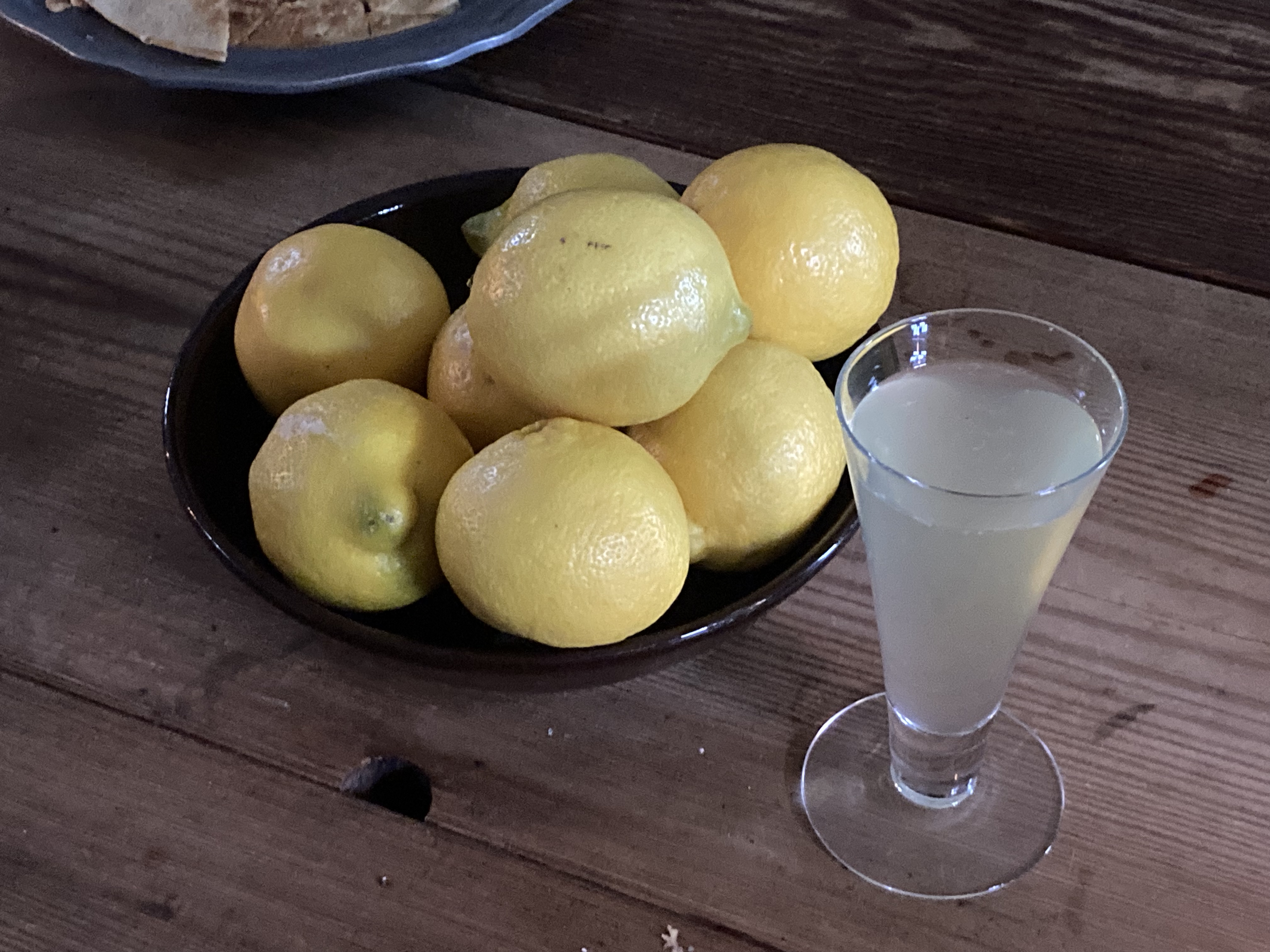
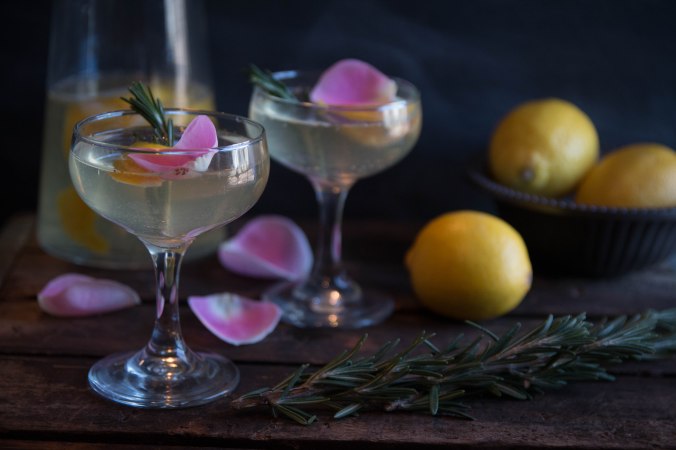
In the heat of the Philadelphia summer, we’ve been on the lookout for refreshing beverage recipes to prepare alongside hearty, early modern fare. “Could Possett,” a boozy herbaceous lemonade, hit the spot.

This recipe comes from UPenn Ms. Codex 252, an all-purpose household manuscript that was in use between 1600 and 1710. Food recipes are intermixed with medicinal recipes throughout the manuscript.

The Recipe

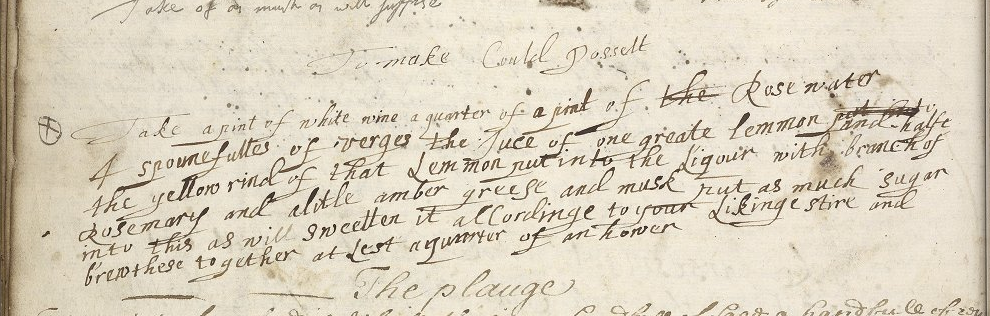
could posset

To make Could Possett

Take a pint of white wine a quarter of a pint of the Rose water
4 spounefulles of verges the Juice of one greate lemmon put into and halfe
the yellow rind of that Lemmon put into the Liqour with branch of
Rosemary and alitle amber greese and musk put as much sugar
into this as will sweetten it accordinge to your Likinge stire and
brew these together at Lest a quarter of an hower

Just as Ms Codex 252 is a mix of medicinal and culinary recipes, so too does the “Could Possett” straddle the categories between comestible and cure. In William Shakespeare’s Macbeth, Lady Macbeth informs the audience that she has incapacitated King Duncan’s guards by contaminating their posset: “The surfeted Groomes doe mock their charge / With Snores. I haue drugg’d their Possets” (1623). Robert Herrick’s poem “To Phillis to love and live with him” promises a beloved posset, among other delicacies: “Thou shall have Possets, Wassails fine, / Not made of Ale, but spiced Wine” (1648). The Oxford English Dictionary defines a “posset” as a “drink made from hot milk curdled with ale, wine, or other liquor, flavoured with sugar, herbs, spices, etc., and often drunk for medicinal purposes.” Recipes for “ordinary plain wholesome posset” and “sack posset” in Ms Codex 252 fit this description well. Our “could possett” recipe does not call for hot, curdled milk, but it does bear a resemblance to some of the other medicinal waters in the volume.

This recipe calls for a few relatively exotic ingredients. “Verges,” or “verjuice,” is a sour beverage made from immature grapes that is still available today, but somewhat difficult to find. We found our posset to be quite tart without adding the verjuice. “Amber greese,” or ambergris, and musk are both more associated with scent and perfumery these days than with beverages, although they were widely used in punches and tinctures in the early modern era. We debated adding angostura bitters instead, but decided that the rosemary and rose water were sufficiently flavorful on their own. Since wine was far sweeter in the seventeenth century than it is today, we used a fairly sweet prosecco that we had on hand as as the base alcohol for the drink. It also added some festive bubbles! For a tasty, alcohol-free version of this recipe, substitute a liter of sparkling water, tonic water, or fine ginger ale for the wine and adjust the sugar accordingly.

Our Recipe

serves 8

1 bottle white wine, on the sweet side (still or sparkling)

1/4 cup rose water

juice of one lemon

peel of half a lemon, cut into long strips

4 sprigs of rosemary

1/2 cup sugar (adjust to taste)

Mix the ingredients in a large serving jug or punch bowl. Stir until the sugar dissolves. Taste to check sugar levels and adjust as needed. Allow to sit for 15 minutes before serving.

The Results

A tart, highly quaffable summer beverage. It looks lovely in the glass and stands up to flavorful food. We sipped it alongside Maccarony Cheese  and a side of bitter greens. The wine and lemon flavors dominated, while the rosemary and rosewater added fresh, vegetal notes. This is a great recipe for a summer picnic, barbeque, or dinner party.